Jan 6
VA Imposes Near-Total Abortion Ban for Veterans, Sparking Bipartisan Backlash and LGBTQ+ Concerns
READ TIME: 3 MIN.
The Department of Veterans Affairs announced a significant policy shift on December 30, 2025, imposing a near-total ban on abortions at its facilities, limiting the procedure to instances where a physician certifies that continuing the pregnancy endangers the mother's life. This change reverses expansions made under the Biden administration in September 2022, which allowed abortions in limited circumstances following the Supreme Court's Dobbs decision. VA Press Secretary Peter Kasperowicz stated that the policy aligns with a U.S. Department of Justice opinion from the Office of Legal Counsel, asserting the VA lacks legal authority to provide abortions beyond life-endangering cases.
The DOJ memo, authored by Deputy Assistant Attorney General Joshua Craddock on December 18, 2025, invalidated Biden-era rules permitting abortions in cases of rape, incest, or serious health risks. An internal VA directive, obtained by Democracy Forward and shared with media outlets, instructed leaders of the VA's 18 regional care systems to implement the restrictions immediately. The directive clarifies that it does not prohibit care for life-threatening conditions like ectopic pregnancies or miscarriages. Since 2022, the VA provided approximately 100 to 140 abortions, far below the 1,000 projected by the Biden administration.
Democratic lawmakers swiftly criticized the policy as a secretive maneuver to evade public scrutiny and formal rulemaking. Senator Patty Murray , a member of the Senate Veterans’ Affairs Committee, called it "an outrageous assault on veterans health care and a profound betrayal of veterans who have put their lives on the line for our country." Republicans, however, expressed support, viewing it as a return to legal compliance.
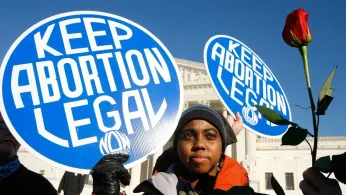
Advocacy organizations amplified the outcry. Democracy Forward, the National Women’s Law Center, and Minority Veterans of America jointly condemned the Trump-Vance administration's approach, arguing it treats veterans as "second class" by denying them health care benefits available to active-duty personnel. Fatima Goss Graves, president and CEO of the National Women’s Law Center, stated, “After the sacrifices that our veterans have made to serve our country, the least that they deserve is comprehensive health care. Federal lawmakers must pass legislation to reverse this harmful new policy and reinstate abortion access to all veterans and their loved ones who depend on the VA for care.”
The policy has drawn particular concern from LGBTQ+ advocacy groups, who note its disproportionate impact on transgender veterans and LGBTQ+ service members. Transgender people and others in the LGBTQ+ community who served in the military often rely on the VA for gender-affirming care and reproductive health services tailored to their needs. Minority Veterans of America, which supports veterans from underrepresented groups including LGBTQ+ individuals, emphasized that the ban undermines comprehensive care for those who have faced barriers in military service.
LGBTQ+ veterans have historically advocated for expanded VA services post-Dobbs, including counseling and referrals for abortion care. The rollback eliminates even counseling services, potentially forcing veterans—including those who are pregnant due to rape or incest—to seek care outside the VA system without support. This affects over 9 million veterans and dependents who depend on VA facilities.
Groups like the National Women’s Law Center argue the policy signals a broader anti-abortion agenda encroaching on federal health programs, regardless of state laws. For LGBTQ+ veterans, who may encounter stigma in non-VA settings, the restrictions compound existing disparities in access to affirming reproductive health care.
The VA's actions stem from a proposed rule still under regulatory review, but the DOJ opinion prompted immediate compliance. Despite the policy, the VA website still lists abortion services under limited circumstances, creating potential confusion for patients. Critics, including Democracy Forward, vow legal challenges, calling the shift "cruel and unlawful."
This development underscores ongoing tensions in veterans' health care post-Dobbs, with implications for how federal agencies balance reproductive rights and legal interpretations. As debates intensify, veterans' advocates across political lines stress the need for equitable, comprehensive care that respects diverse identities and service sacrifices.